Thursday, 3 November 2016

Target Market research

To find the target audience of who our film would be aimed at I used a website called YouGove Profiles that uses extensive research to tell who the most likely has in interest in a brand or movie. For example, I searched for a movie called kidulthood, that is of the same genre to the the movie we want to create. Here are the results it gave me:


To make my research more quantitive and accurate, I found the results for another British crime film called Legend:


From this research I found that our target audience is young adults and teenagers of both genders. Therefor, I think this would make the most appropriate target audience for our film.

Target Audience research of teen crime Dramas


 KIDULTHOOD


ATTACK THE BLOCK

Mind Map of Film Idea

Prelim Film and evaluation

<iframe src="https://player.vimeo.com/video/185330886" width="640" height="360" frameborder="0" webkitallowfullscreen mozallowfullscreen allowfullscreen></iframe>

For our prelim we recreated a scene from the popular T.V series bad education.

Making this was very fun and I think it's good for our first attempt. We experimented with the different shot types and tried to use as many as possible. I edit we realised continuity is key in the filming stage- small things like position of clothing and where you are standing is very important to get right so we could switch between shots easier in the edit stage. When I do this again I want to make many more takes of the same shots o make the editing stage as easy as possible.

Previous Work analysis

https://vimeo.com/121867129

In this blog I am looking at previous work from students before me. I chose group 22 from academic year 2014-15. I like their opening sequence because it grips the audience's attention. They do this through their use of audio, not only do they have dialogue, but they also have tense music in the background that constantly suggests something is going to happen.

They use a range of title sequence presentation methods- one of them is blank screen:


Another one is moving images, where the scene is taking place and the credits are also on screen.


Overall I like their work because they incorporated many different shot types and methods of presenting the titles. They also made their opening gripping and entertaining.

The four types of Film openings

WHAT ARE THE 4 TYPES OF FILM OPENINGS?

There are many different ways Directors can use a title sequence to give the audience an impression of the mood of the film before it actually begins. 

There are four main ways that this can be portrayed: 
1) Blank Screen 
2) Still Images 
3) Moving Images 
4) Animation/Motion

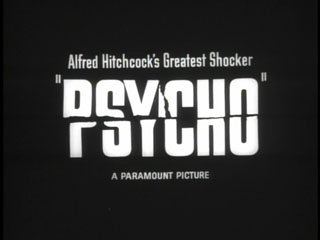
The Blank Screen title sequence involves different types of typeface on a black background; this is the most used opening technique because it is a very low budget opening which is effective. The different typefaces on the black background contrast each other making them stand out to the audience. The Blank Screen is a very simple way of introducing a film and important information at the start of the film.


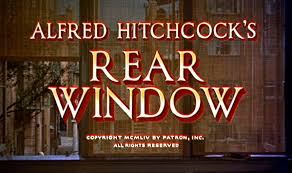
A Still image title sequence is more elaborate than text on a blank background. This is when text is placed onto visual images in the opening sequence along with music. This gives the audience a better idea on what tone and the genre the film is. The film "Rear Window" (1954) directed by Alfred Hitchcock uses a still image in the opening sequence which then turns into an establishing shot by the raising of the curtains.


The Moving Image title sequence is when credits are placed onto moving images. The title sequence usually presents some kind of metaphor or narrative to the audience as it clearly presents the tone to the audience. "Forrest Gump" is a good example because the title sequence involves following a feather around the sky and city.


Titles using animation or motion only became popular in the 1990s. The titles became part of a moving image and are linked together to make a flowing animated title sequence.
 However, it stay one of the most difficult sequences to create as it requires a lot of digital technology, making it expensive, as well as styled editing.